Cards and tags that hang, clip or travel
Not every card lives in a wallet. Some hang from a lanyard, clip to a bag strap or sit on a keyring, and the shape has to suit that use. This collection brings together three formats where the outline, hole or slot matters as much as the printing. The same rules apply to all three. Leave enough plastic around any hole or slot so it doesn't tear under strain. Keep text, logos and codes well inside the cut line. Avoid sharp points and thin necks, which are the first places a shaped piece weakens. Decide how it will attach before the artwork is final, because a slot in the wrong place can cut straight through a name. Where a hole takes the load, a thicker 1.1 mm card gives more material around it. Standard 0.76 mm plastic suits most other uses. Shaped outlines are cut with a die, a process Wikipedia describes under die cutting (https://en.wikipedia.org/wiki/Die_cutting_(web)). If you already have a shape in mind, a rough sketch is enough to begin.
A non-standard outline can make a card easier to spot or tie it to a campaign idea. Before the shape is confirmed, we check it for strength, usable print area and the position of any hole or slot. A sketch or an example you like is a fine place to start.
Open plasticcard.nz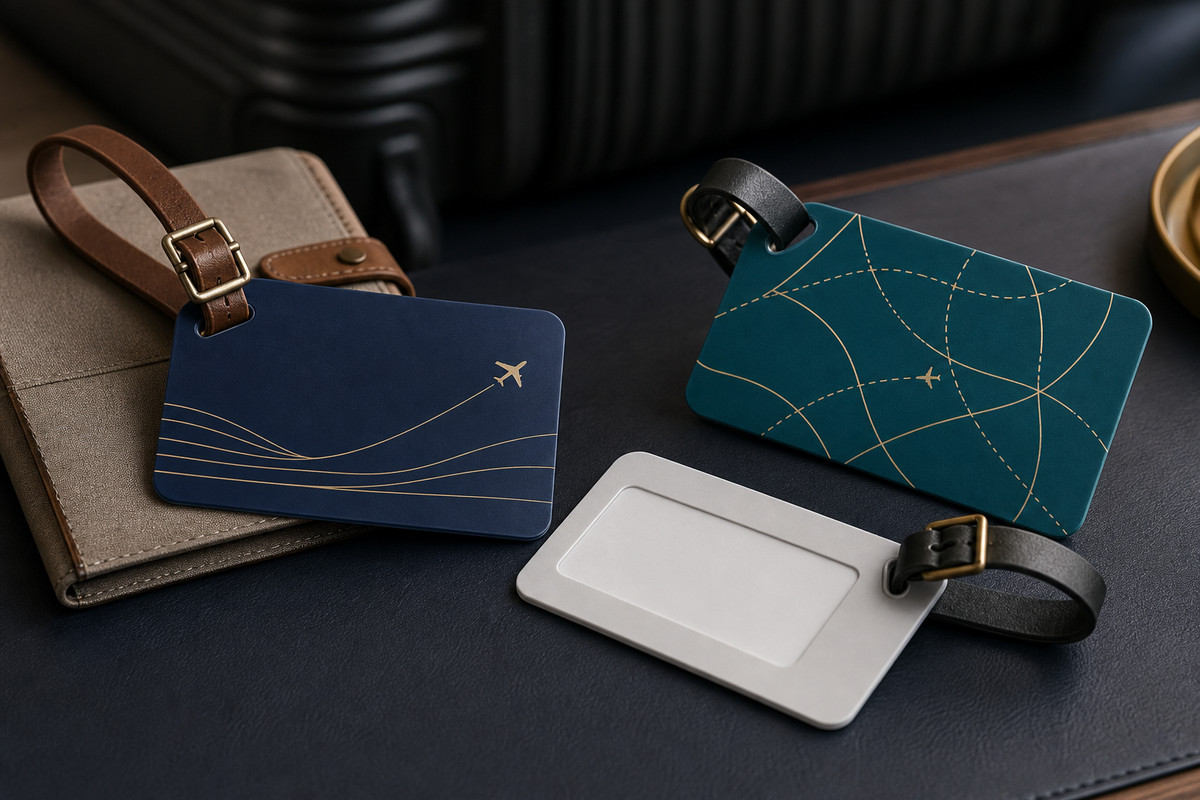 Plastic luggage tagsplasticcard.nz
Printed tags for tour groups, schools, clubs and travel packs. Colour coding helps organisers sort bags by group, and each tag only needs to show as much personal detail as the trip calls for. These are printed identification tags, not electronic trackers.
Open plasticcard.nz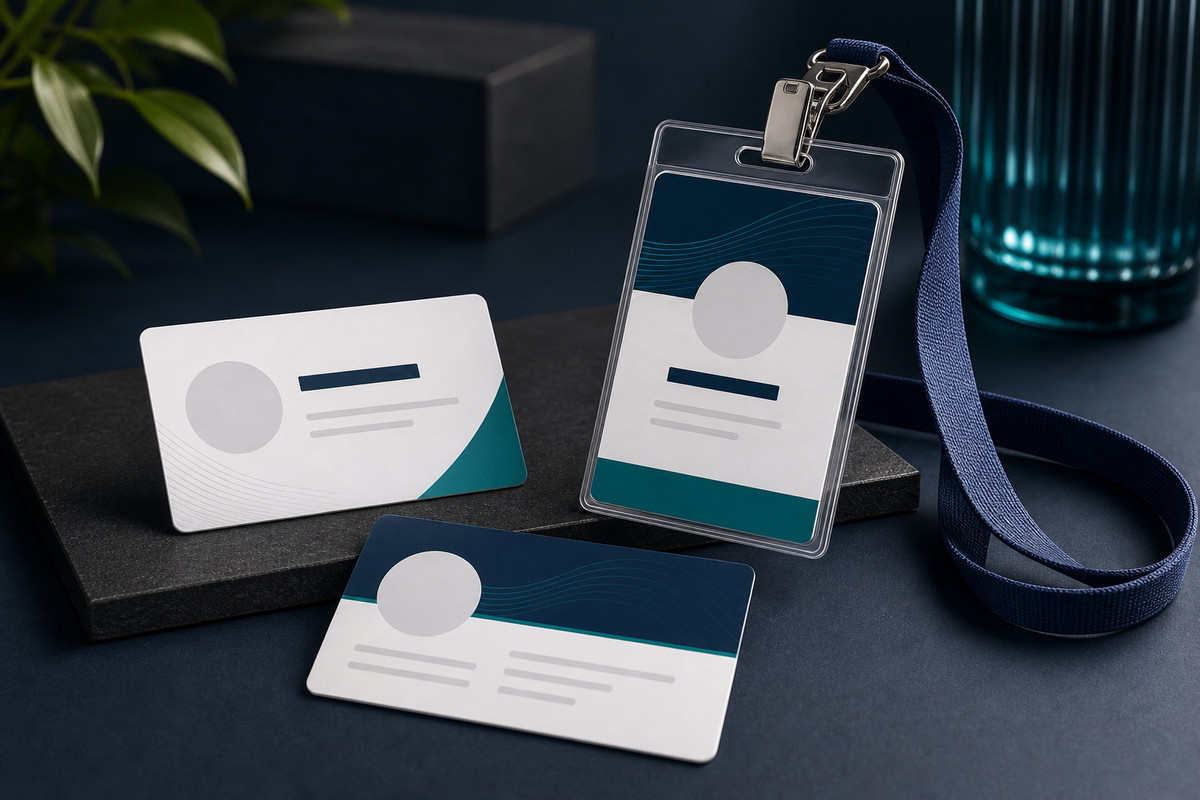 Printed ID badgesplasticcard.nz
Badges for staff, volunteers and visitors who need to be recognised at a glance. Pick portrait or landscape to suit the holder, clip or lanyard, and the photo. When a badge must also open doors, it becomes an access card matched to that system instead.
Open plasticcard.nz